Clerodendrum Splendens "Flaming Glorybower" - Plant
Clerodendrum Splendens "Flaming Glorybower" - Plant
- Botanical Name – Clerodendrum Splendens.
- Common Name – Flaming Glorybower.
- Family – Lamiaceae.
- Species – C. splendens.
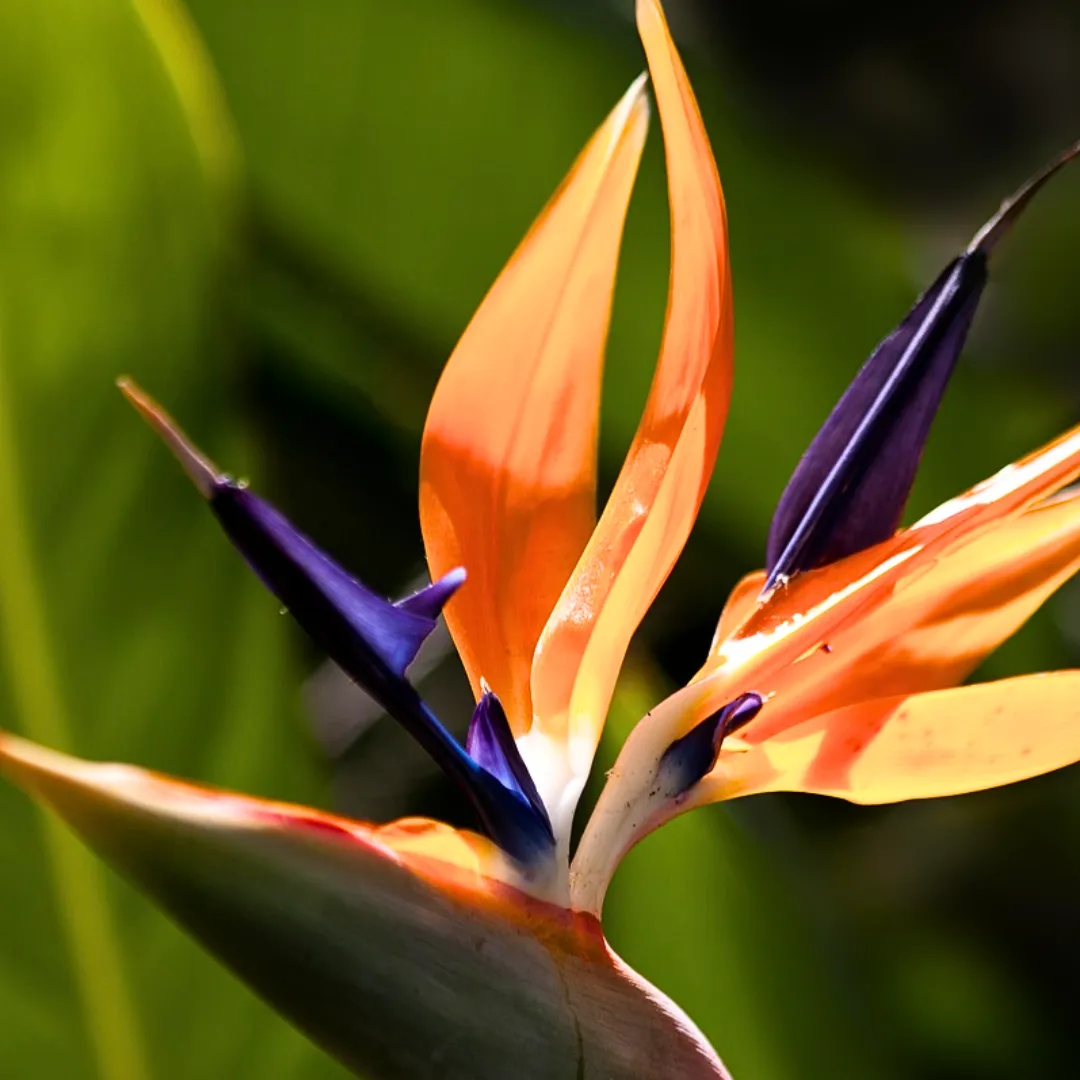
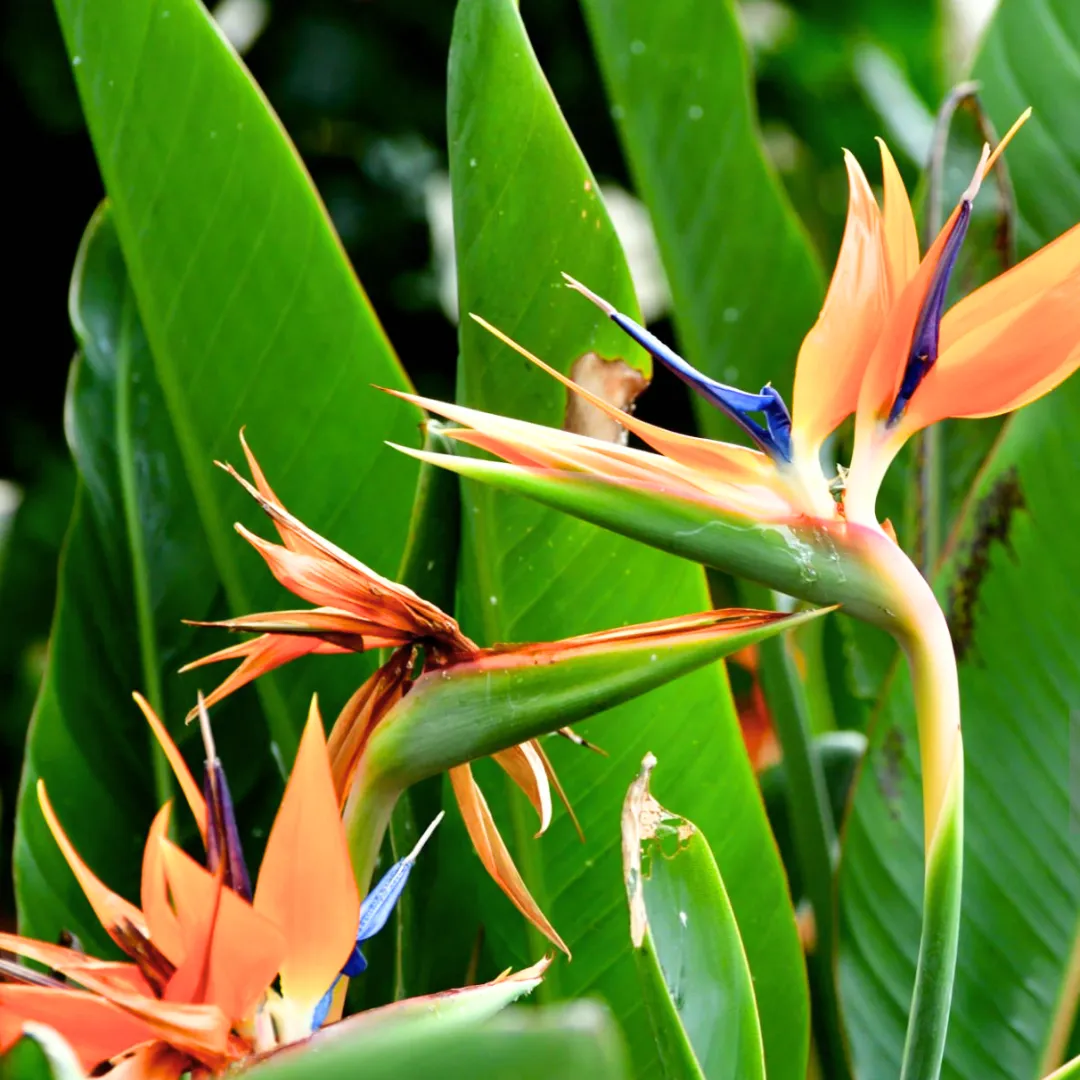
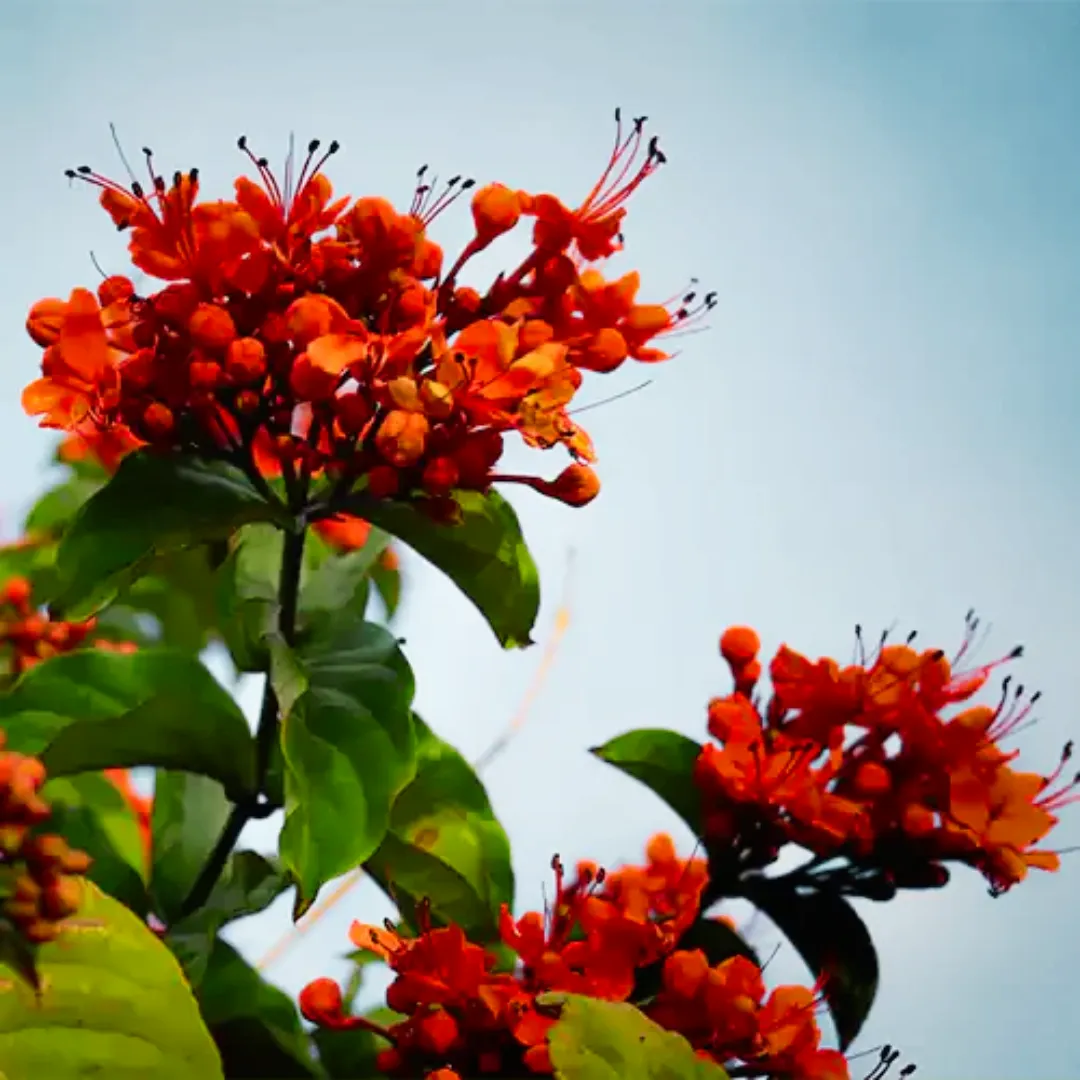
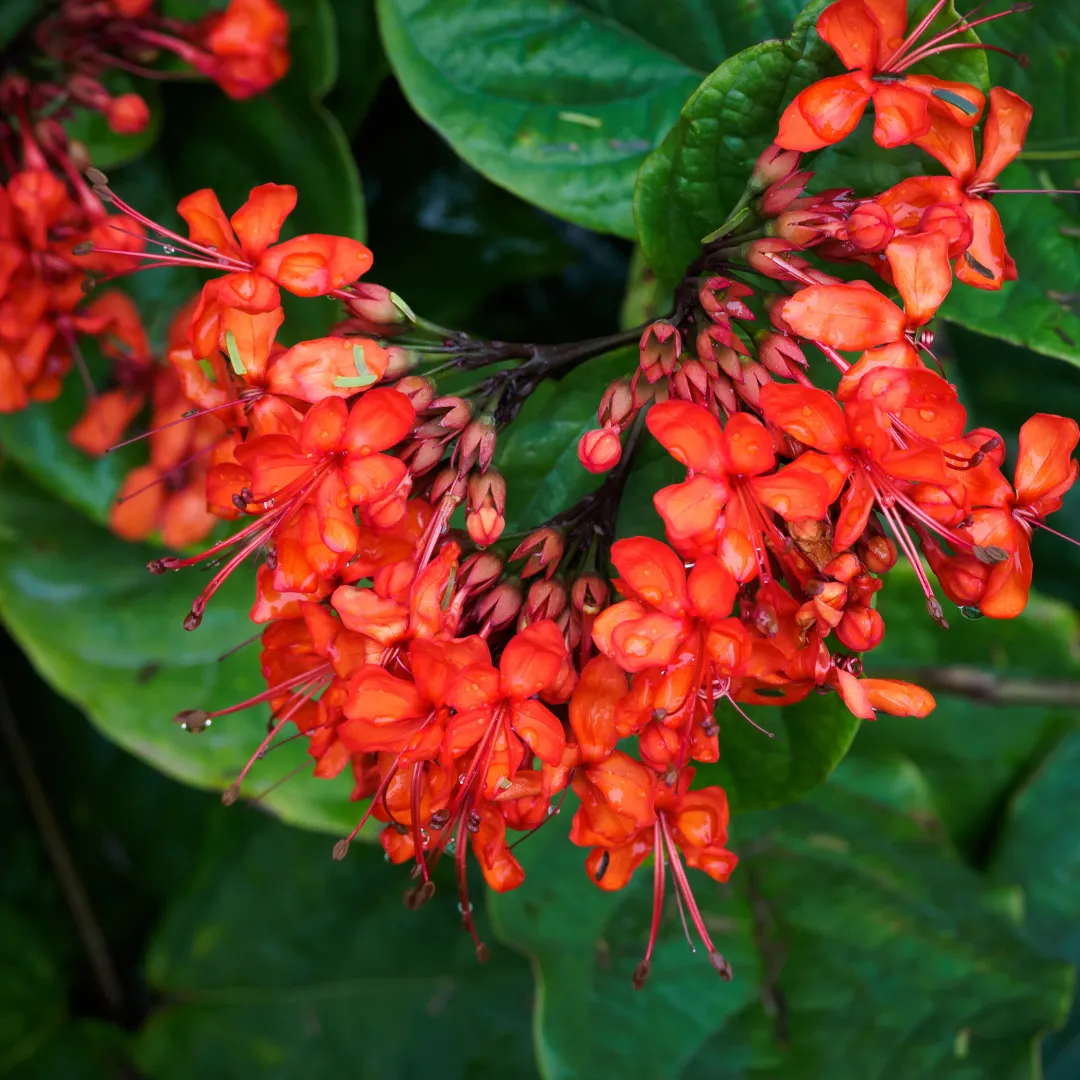
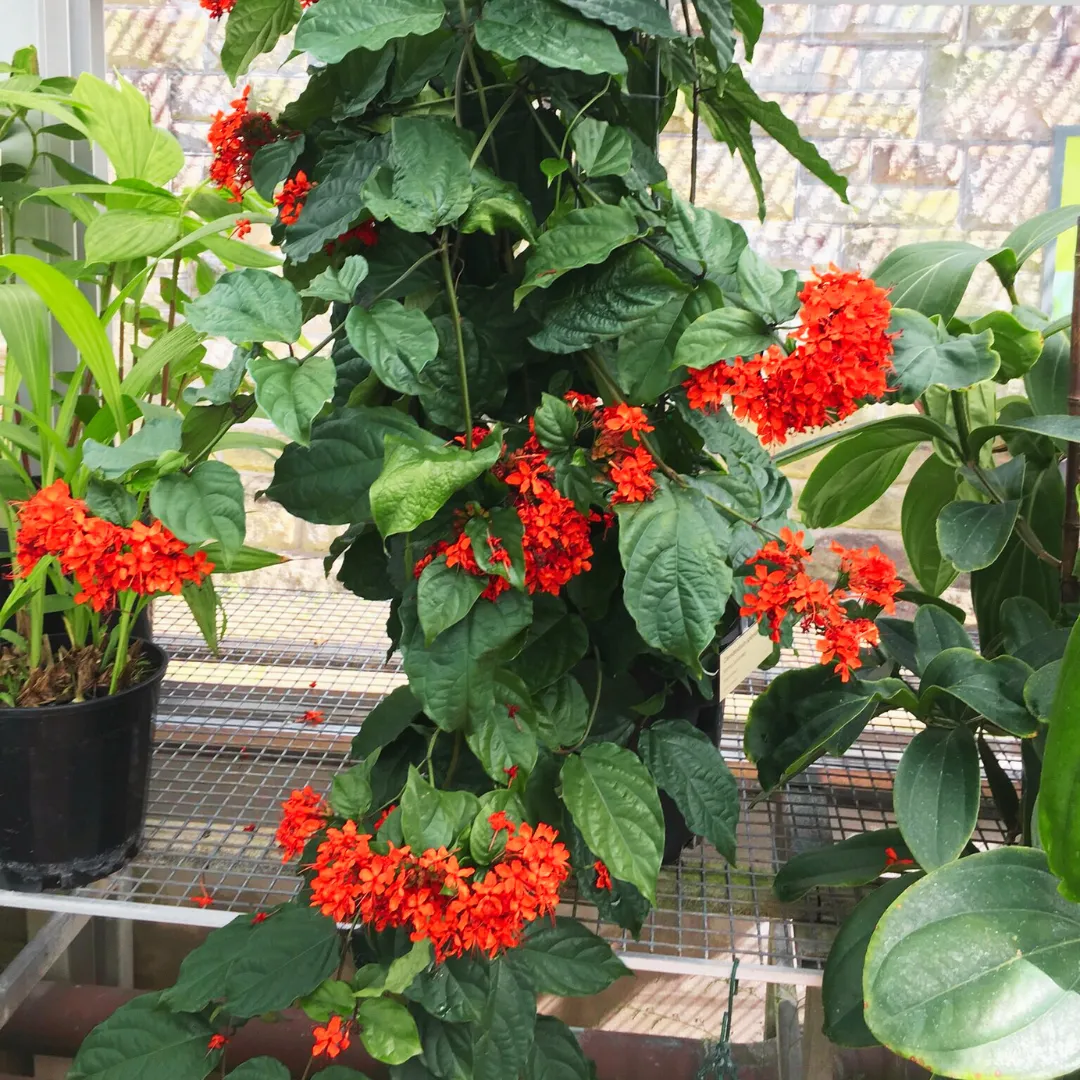
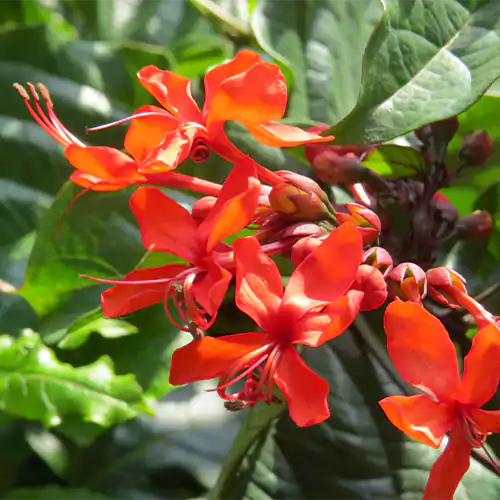
Clerodendrum Splendens commonly known as Flaming Glorybower. It is a plant native to tropical parts of West Africa. It is a vine or shrub which can reach a height of around 12 feet. Flaming glory bower is a popular ornamental in humid climates. Its flowers are very attractive and attract butterflies. Its peak flowering season is December to January.
This coarse-textured evergreen climber is popular in warm, humid climates and can be used as an evergreen screen on a trellis or wall. The flowers are extremely showy and attractive to butterflies as well as people. Encourage branching and more flowers by cutting back the previous season’s growth to a suitable pair of buds.
Original: $4.70
-65%$4.70
$1.65Product Information
Product Information
Shipping & Returns
Shipping & Returns
Description
Clerodendrum Splendens "Flaming Glorybower" - Plant
- Botanical Name – Clerodendrum Splendens.
- Common Name – Flaming Glorybower.
- Family – Lamiaceae.
- Species – C. splendens.
Clerodendrum Splendens commonly known as Flaming Glorybower. It is a plant native to tropical parts of West Africa. It is a vine or shrub which can reach a height of around 12 feet. Flaming glory bower is a popular ornamental in humid climates. Its flowers are very attractive and attract butterflies. Its peak flowering season is December to January.
This coarse-textured evergreen climber is popular in warm, humid climates and can be used as an evergreen screen on a trellis or wall. The flowers are extremely showy and attractive to butterflies as well as people. Encourage branching and more flowers by cutting back the previous season’s growth to a suitable pair of buds.